Ancient Grains of India: How Millets Can Transform Modern Family Nutrition
Ancient Grains of India: How Millets Can Transform Modern Family Nutrition
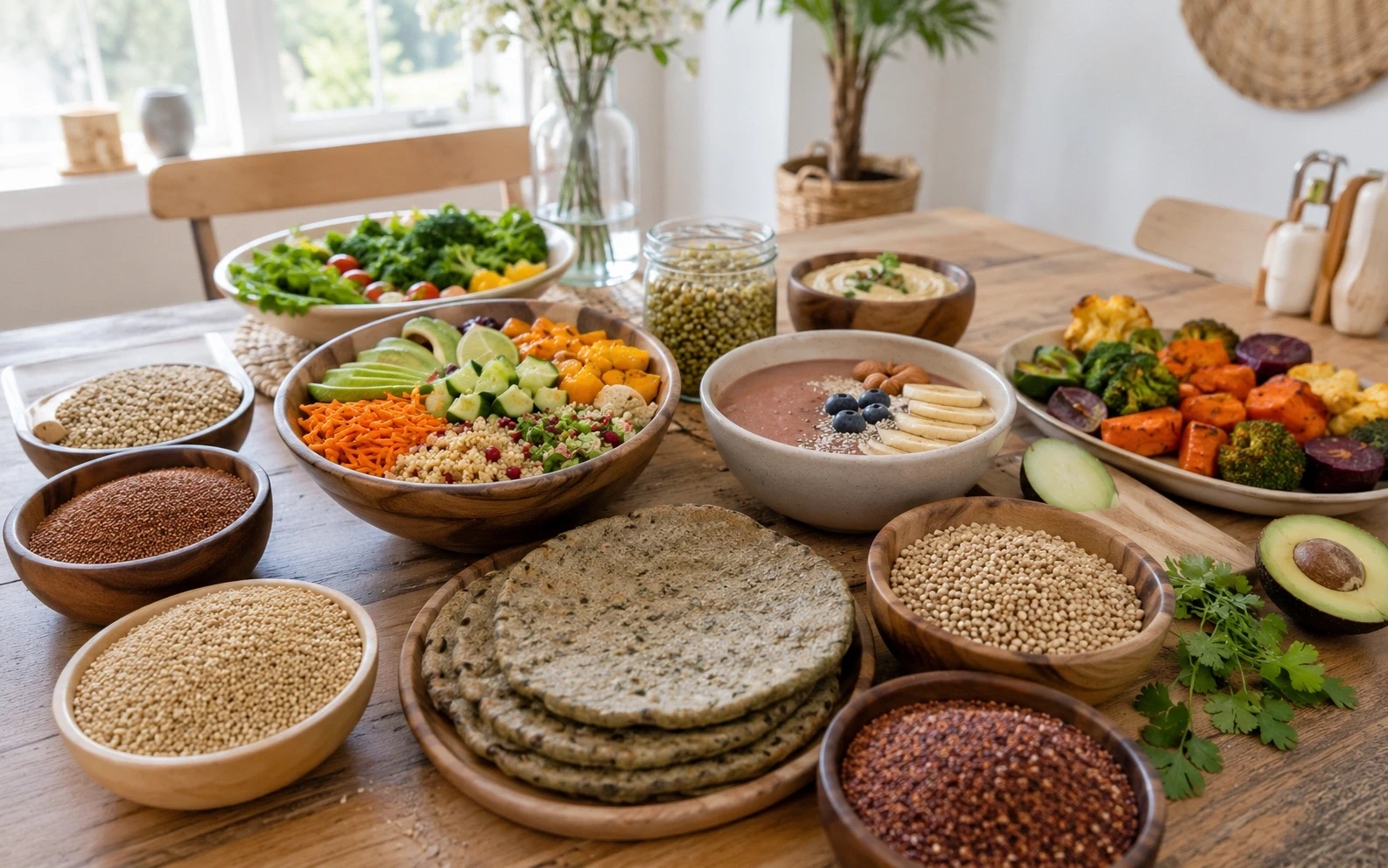
As families become more conscious about nutrition and healthy eating, many are rediscovering ingredients that have been part of Indian cuisine for centuries. Among these traditional foods, millets have gained significant attention for their impressive nutritional value, versatility, and ability to fit into modern lifestyles.
Long before rice and wheat became household staples, various millet varieties were widely consumed across India. These ancient grains nourished generations with essential nutrients while thriving in diverse climates and growing conditions. Today, millets are making a remarkable comeback as families seek healthier alternatives and more balanced diets.
Available at many Indian grocery store locations, millets offer an excellent opportunity to bring traditional nutrition into contemporary kitchens.
What Are Millets?
Millets are small-seeded cereal grains that have been cultivated in India for thousands of years. They are naturally gluten-free and packed with important nutrients that support overall health and wellness.
Several varieties of millets are commonly used in Indian cooking, including:
- Pearl Millet (Bajra)
- Finger Millet (Ragi)
- Sorghum (Jowar)
- Foxtail Millet
- Barnyard Millet
- Kodo Millet
- Little Millet
- Proso Millet
Each type offers its own unique texture, flavor, and nutritional profile.
The Historical Importance of Millets in India
For centuries, millets played a vital role in traditional Indian diets. Rural communities across the country relied on these grains because they were nutritious, affordable, and adaptable to different growing conditions.
Traditional dishes such as:
- Bajra Roti
- Ragi Mudde
- Jowar Bhakri
- Millet Khichdi
- Ragi Porridge
have long been enjoyed in various regions of India.
As urbanization increased and refined grains became more common, millet consumption declined. However, growing awareness of nutrition and sustainable food systems has renewed interest in these ancient grains.
Why Modern Families Are Choosing Millets
Today's families face several nutritional challenges, including highly processed foods, sedentary lifestyles, and increasing concerns about overall wellness.
Millets provide a practical solution by offering:
Nutrient Density
Millets contain essential vitamins and minerals that support healthy living.
Depending on the variety, they may provide:
- Iron
- Magnesium
- Calcium
- Potassium
- Zinc
- B Vitamins
These nutrients contribute to numerous bodily functions and support long-term health.
Dietary Fiber
Many millet varieties contain more fiber than refined grains.
Fiber can help:
- Support digestive health
- Promote satiety
- Encourage balanced eating habits
- Support overall wellness
Adding fiber-rich foods to family meals is a simple way to improve dietary quality.
Plant-Based Nutrition
Millets offer valuable plant-based nutrients and can complement vegetarian and vegan diets.
Combined with lentils, beans, and vegetables, millets help create satisfying and nourishing meals suitable for all age groups.
Popular Millet Varieties and Their Benefits
Understanding different millet types can help families choose options that fit their cooking preferences.
Pearl Millet (Bajra)
Bajra is widely consumed throughout India and is known for its hearty texture and rich flavor.
Common uses include:
- Bajra Roti
- Khichdi
- Porridge
- Flour Blends
It works particularly well during cooler seasons due to its warming qualities.
Finger Millet (Ragi)
Ragi is one of the most nutrient-rich millets available.
Popular preparations include:
- Ragi Dosa
- Ragi Porridge
- Ragi Pancakes
- Baked Goods
Many families appreciate its versatility and ability to fit into both traditional and modern recipes.
Sorghum (Jowar)
Jowar is commonly used to make soft flatbreads and grain bowls.
It offers a mild flavor that pairs well with vegetables, curries, and legumes.
Foxtail Millet
Foxtail millet cooks quickly and can easily replace rice in many dishes.
Its light texture makes it ideal for:
- Pilafs
- Salads
- Upma
- Breakfast Bowls
How Millets Support Family Nutrition
One of the greatest strengths of millets is their ability to serve every member of the family.
For Children
Children need nutrient-dense foods to support growth and development.
Millet-based meals can:
- Introduce dietary variety
- Encourage whole-grain consumption
- Provide valuable nutrients
- Create balanced meal options
For Adults
Busy adults often seek nutritious foods that fit into demanding schedules.
Millets can be incorporated into:
- Quick breakfasts
- Packed lunches
- Dinner recipes
- Healthy snacks
Their versatility makes healthy eating more convenient.
For Older Adults
Whole grains remain an important part of balanced nutrition throughout life.
Millets provide:
- Easy meal variety
- Nutrient-rich alternatives
- Flexible preparation options
Families can adapt millet recipes to suit changing dietary preferences and needs.
Easy Ways to Add Millets to Everyday Meals
Many people are interested in millets but are unsure how to use them. Fortunately, these grains can be incorporated into familiar dishes with minimal effort.
Replace Rice Occasionally
Use cooked millet instead of rice in:
- Curry meals
- Grain bowls
- Vegetable pilafs
- Stuffed vegetables
Upgrade Breakfast
Millets work wonderfully in:
- Warm porridge
- Breakfast bowls
- Pancakes
- Smoothie bowls
Create Nutritious Rotis
Mix millet flour with whole wheat flour to create flavorful flatbreads.
Add to Soups and Stews
Cooked millet adds texture and nutrition to soups, stews, and one-pot meals.
The Sustainability Advantage of Millets
Modern consumers increasingly value environmentally responsible food choices.
Millets are considered sustainable because they:
- Require less water than many conventional crops
- Adapt well to challenging growing conditions
- Support agricultural diversity
- Thrive in varied climates
Choosing millet-based foods can help support more resilient food systems while preserving traditional agricultural practices.
Meal Planning with Millets
Families interested in healthier eating can easily include millets in weekly meal plans.
Monday
Millet vegetable upma for breakfast.
Tuesday
Foxtail millet grain bowls for lunch.
Wednesday
Bajra roti served with vegetable curry.
Thursday
Millet khichdi for dinner.
Friday
Ragi pancakes for breakfast.
Weekend
Experiment with millet salads, baked snacks, or creative fusion recipes.
This gradual approach helps families become comfortable with new ingredients while maintaining familiar flavors.
Shopping for Quality Millets
Finding high-quality grains is essential for both flavor and nutrition.
When visiting an Indian grocery store, look for:
- Freshly packaged millet products
- Whole grains
- Millet flours
- Organic options when available
- Trusted brands
- Properly stored products
Many stores now offer a wide selection of millet-based products due to growing consumer demand.
Common Myths About Millets
Myth 1: Millets Are Difficult to Cook
Most millet varieties cook similarly to rice and require only basic preparation.
Myth 2: Millets Lack Flavor
Millets possess unique flavors that pair beautifully with Indian spices and seasonings.
Myth 3: Millets Are Only Traditional Foods
Modern chefs and home cooks use millets in innovative recipes ranging from salads to baked goods.
Myth 4: Children Won't Enjoy Millets
When incorporated gradually into familiar meals, children often enjoy millet-based dishes.
Creating a Healthier Future Through Traditional Foods
One of the most exciting aspects of the millet revival is the opportunity to reconnect with traditional food wisdom while meeting modern nutritional goals.
By incorporating millets into everyday meals, families can:
- Explore new flavors
- Diversify their diets
- Support balanced nutrition
- Preserve culinary traditions
- Make sustainable food choices
The combination of history, nutrition, and versatility makes millets a valuable addition to today's kitchens.
Conclusion
Ancient grains continue to offer modern solutions for healthy living. Millets provide an impressive blend of nutrition, versatility, sustainability, and culinary tradition that makes them ideal for contemporary families.
Whether enjoyed as breakfast porridge, hearty rotis, grain bowls, or comforting khichdi, millets can transform everyday meals into wholesome and satisfying experiences.
With a growing selection available at your local Indian grocery store, now is the perfect time to explore these remarkable grains and discover how they can enhance your family's nutrition journey.