


How an Indian Grocery Store Becomes the Heart of a Community
How an Indian Grocery Store Becomes the Heart of a Community
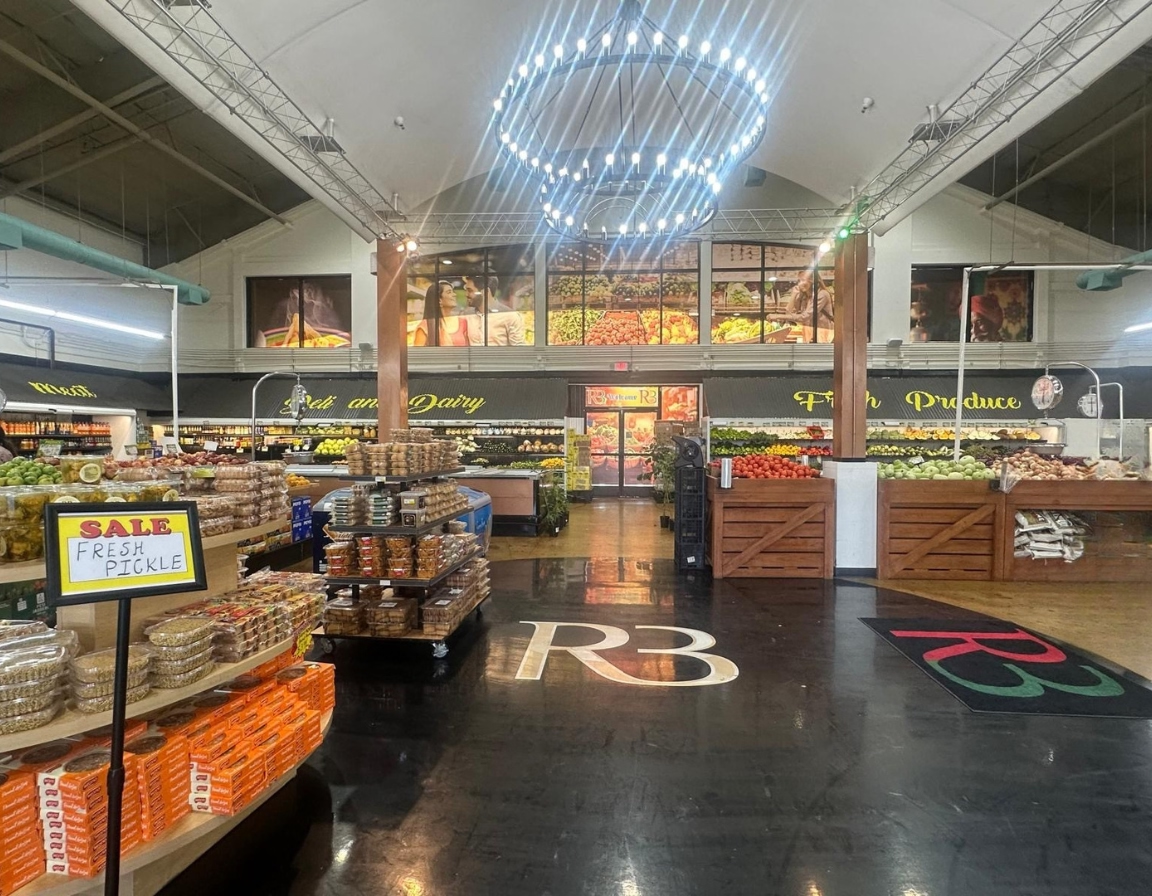
An Indian grocery store is more than a place to buy food. For many families, it is where traditions continue, memories are revived, and cultural identity is preserved. From the aroma of freshly ground spices to shelves stocked with childhood favorites, an Indian grocery store quietly becomes a cornerstone of daily life. In communities across the U.S., stores like Raunak Bazar play a vital role in connecting generations, cultures, and cuisines under one roof.
This blog explores how an Indian grocery store evolves into a community hub—and why it matters more today than ever before.
Food as a Cultural Connector
Food carries stories. A single spice blend can remind someone of their grandmother's kitchen, while a packet of festival sweets can bring back memories of celebrations thousands of miles away. Indian grocery stores provide access to ingredients that are often unavailable in mainstream supermarkets, allowing families to recreate authentic meals without compromise.
From regional lentils and specialty rice varieties to spice mixes specific to different parts of India, the availability of these products helps preserve culinary heritage. Cooking traditional food at home keeps cultural practices alive, especially for younger generations growing up far from their roots.
Supporting Everyday Life, Not Just Special Occasions
While festivals like Diwali, Navratri, and Eid draw attention to Indian grocery shopping, everyday needs are just as important. Indian households rely on consistent access to staples such as atta, rice, lentils, oils, and fresh vegetables. A dependable grocery store becomes part of a family's routine, with weekly visits, familiar faces, and trusted quality.
Raunak Bazar is designed to support both daily cooking and special celebrations. By offering a wide range of essentials alongside festive items, the store meets customers where they are, whether they are planning a simple weekday meal or hosting a large family gathering.
Fresh Produce That Matches Traditional Cooking
Indian cooking depends heavily on fresh produce. Ingredients like curry leaves, green chilies, ginger, cilantro, gourds, and specialty vegetables are not optional—they are foundational. An Indian grocery store understands this and prioritizes freshness and variety.
Access to culturally relevant produce allows customers to cook the way recipes were intended, without substitutions that change flavor or texture. Freshness also supports healthier eating habits, encouraging home-cooked meals over processed alternatives.
A Place for Guidance and Familiarity
One of the most overlooked aspects of an Indian grocery store is the human connection. Customers often ask for cooking advice, product recommendations, or help finding the right ingredient. This level of interaction transforms shopping from a transaction into a relationship.
Whether someone is trying a new recipe, switching brands, or cooking for guests, knowledgeable staff make the experience easier and more enjoyable. Over time, these interactions build trust and loyalty, reinforcing the store's role within the community.
Bridging Generations Through Food
Indian grocery stores often serve multiple generations at once. Parents shop for daily meals, grandparents look for traditional items they grew up with, and younger family members explore snacks and ready-to-eat foods. This shared experience creates continuity between generations.
Younger shoppers learn about ingredients and traditions simply by being present—walking the aisles, hearing stories, and participating in food choices. In this way, the grocery store becomes an informal classroom where culture is passed down naturally.
Adapting to Modern Lifestyles
Today's customers value convenience as much as authenticity. Indian grocery stores have evolved to meet changing needs by offering ready-to-cook meals, frozen foods, and quick snack options that still reflect traditional flavors.
This balance allows busy families to maintain cultural eating habits even with modern schedules. By adapting without losing authenticity, stores like Raunak Bazar stay relevant while honoring tradition.
Strengthening the Local Economy
Shopping at a local Indian grocery store supports more than just one business. It strengthens local supply chains, supports regional distributors, and keeps money circulating within the community. Local stores also create jobs and contribute to neighborhood vibrancy.
When customers choose a community-focused grocery store, they are investing in more than convenience—they are supporting a shared ecosystem that benefits everyone.
Conclusion
An Indian grocery store is not just a place to shop—it is a place to belong. Through food, familiarity, and cultural connection, it becomes a vital part of community life. Raunak Bazar represents this role by offering authentic products, fresh ingredients, and a welcoming environment where culture and everyday life meet.
In a world that moves quickly, these spaces remind us of who we are, where we come from, and how food continues to bring people together.